
Last updated September 10, 2026
Full 25-point door and opener safety check with every visit - springs, cables, rollers, tracks, and your LiftMaster or Chamberlain opener included
You get a price before we start. It does not change when the truck arrives.
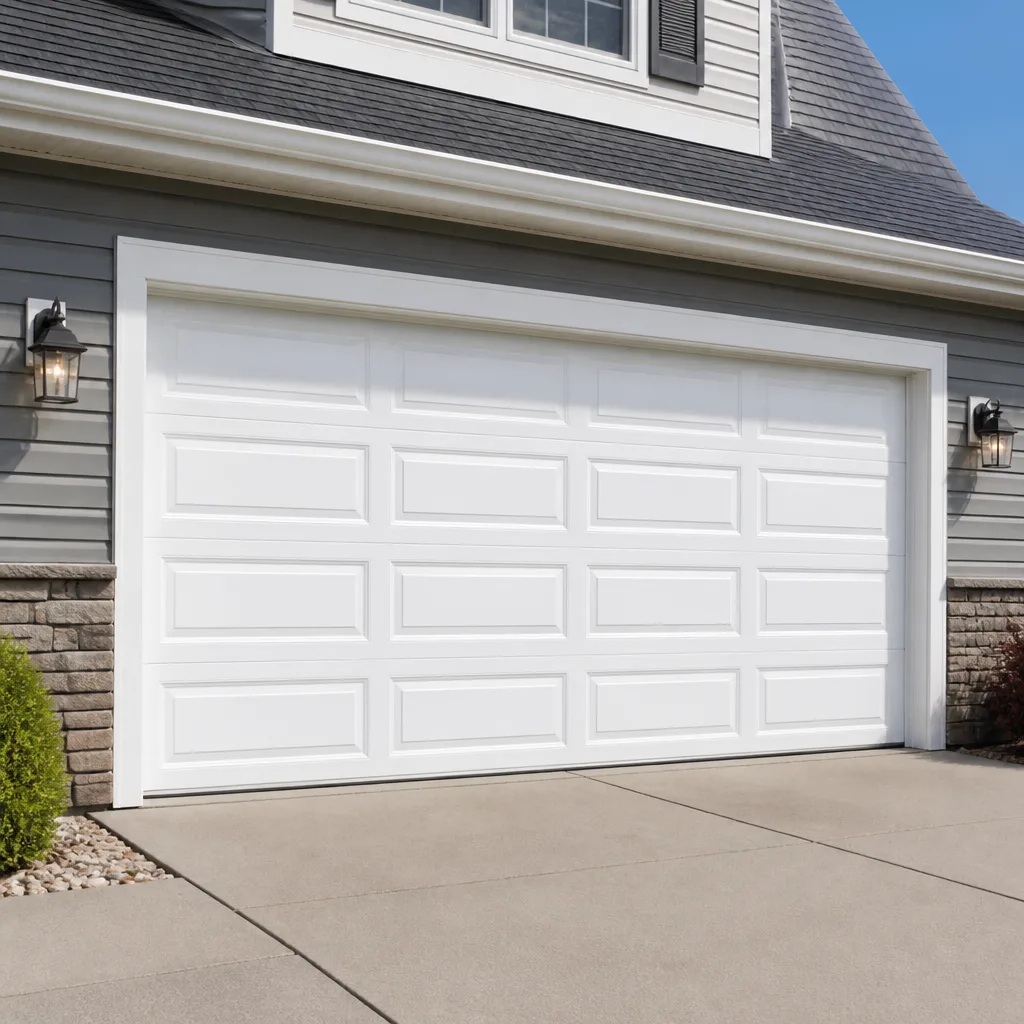
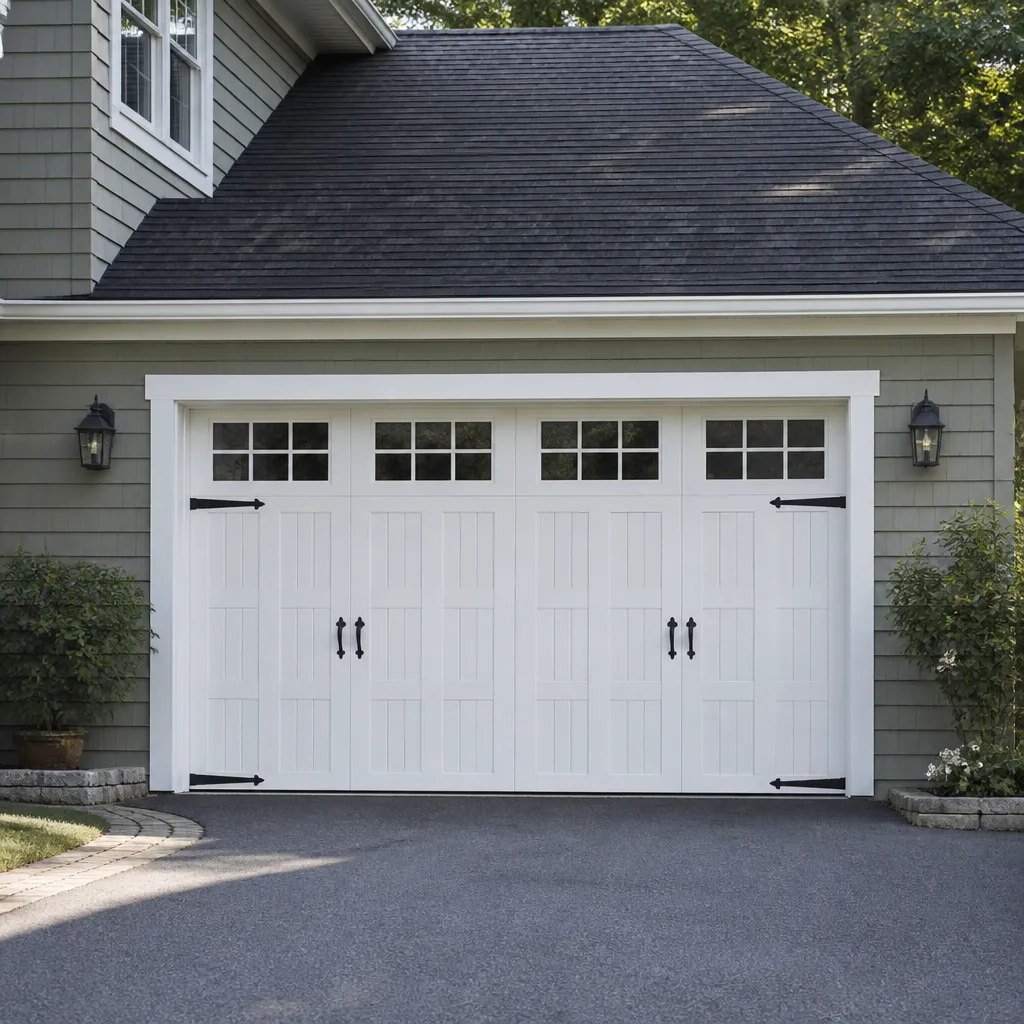
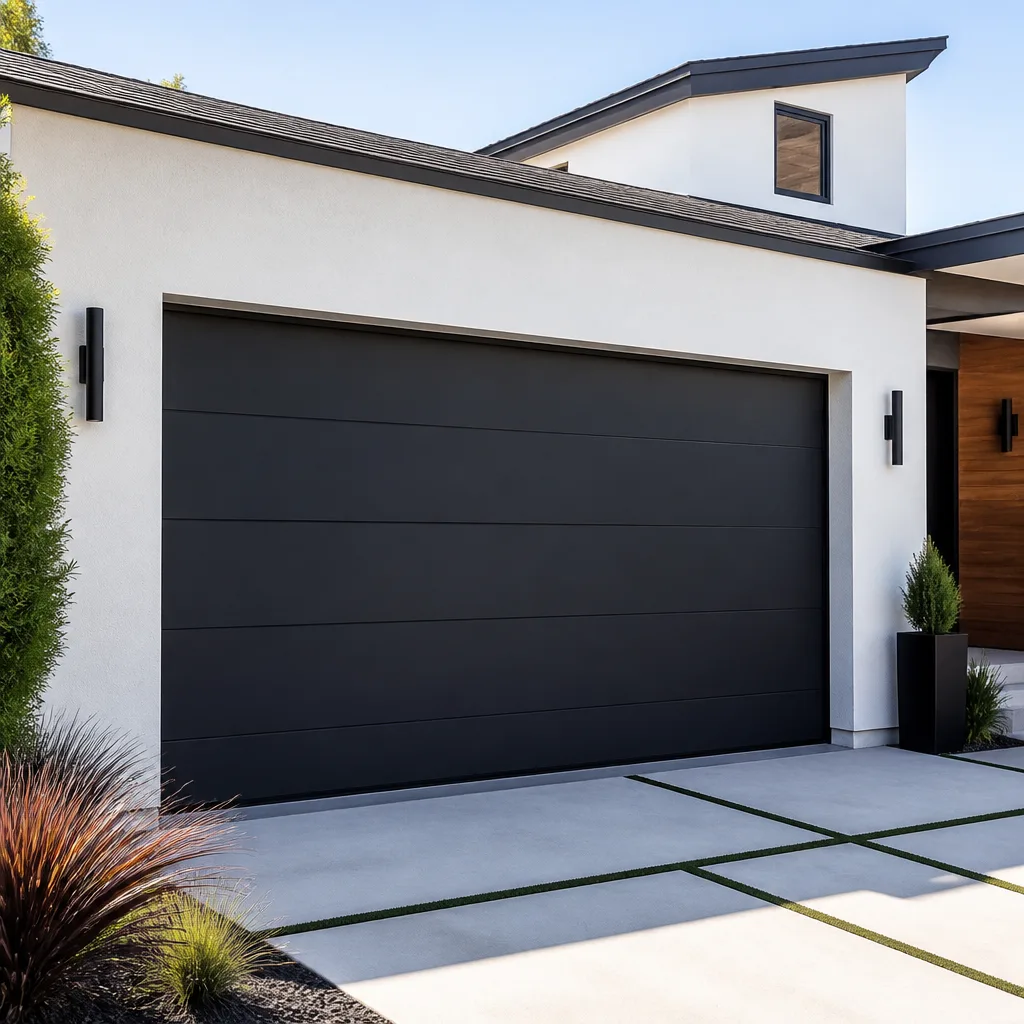
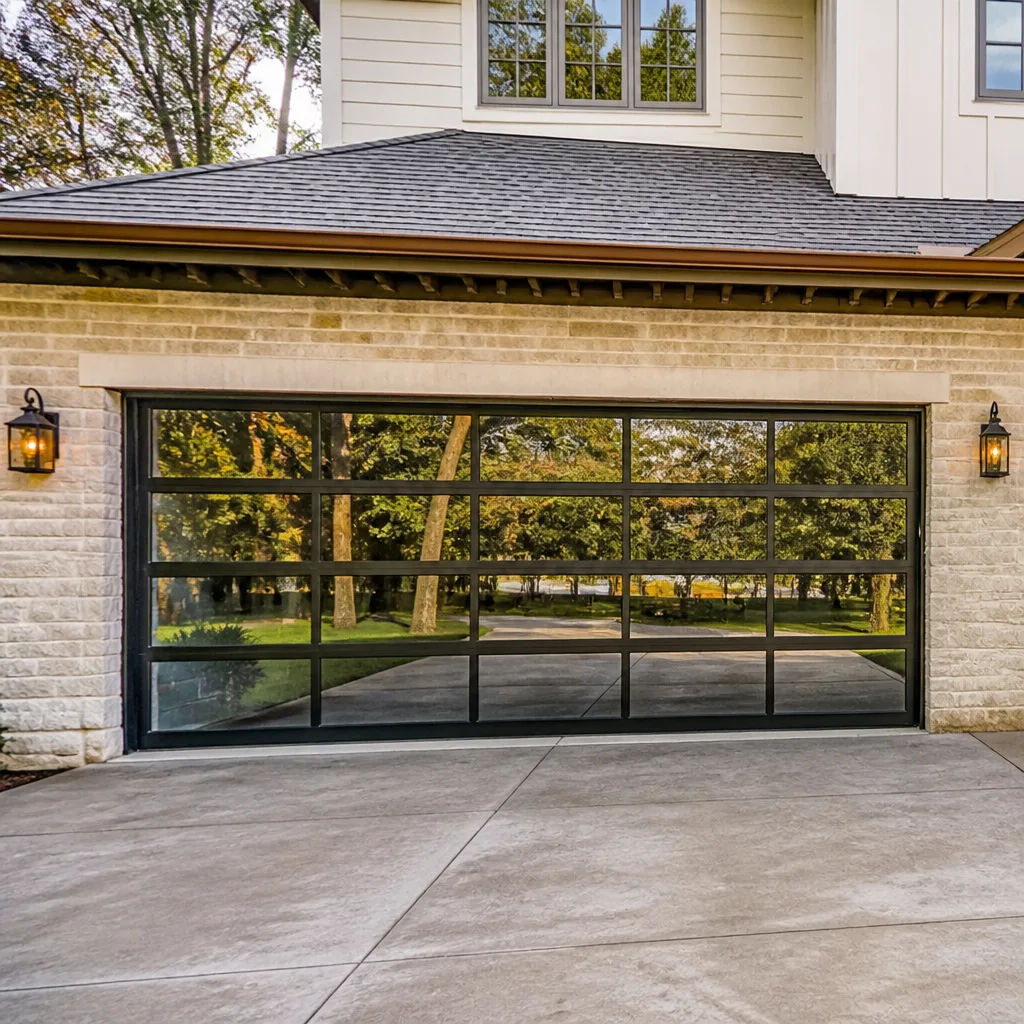
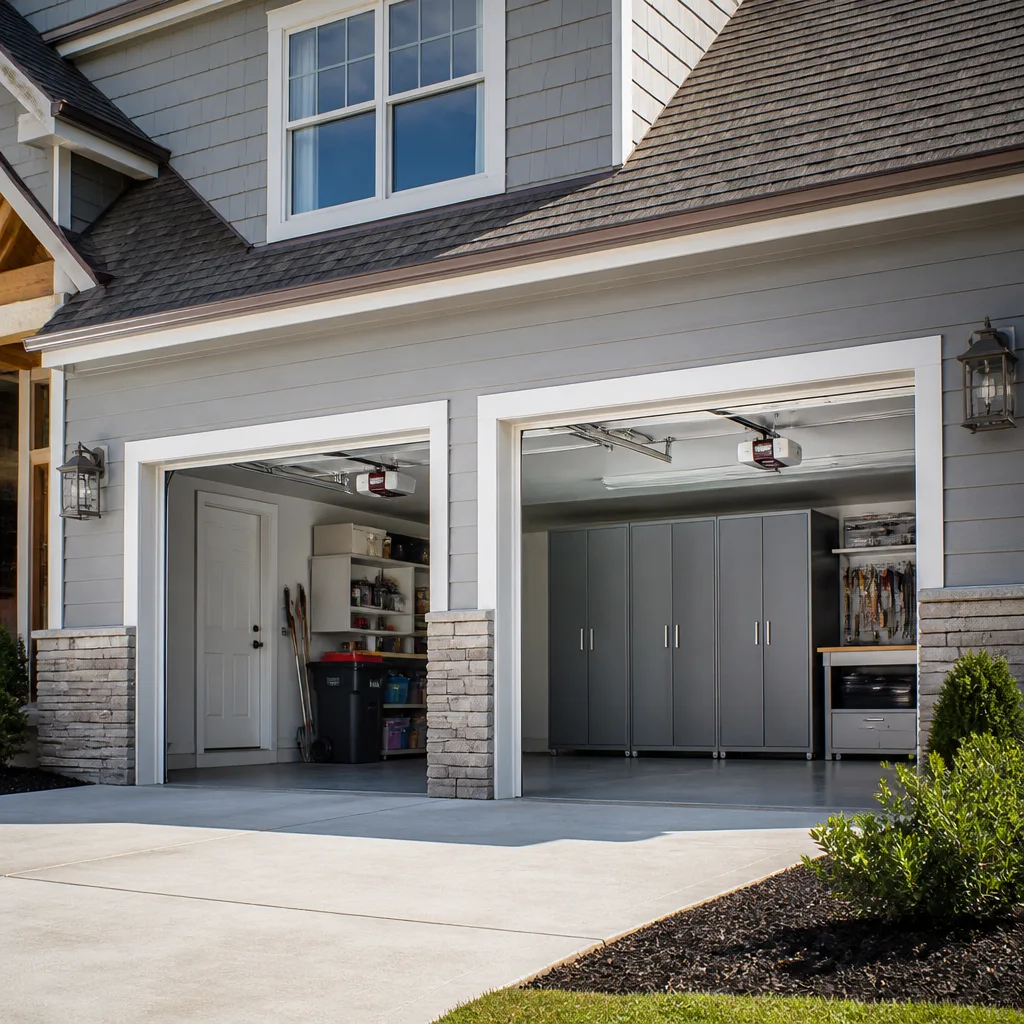
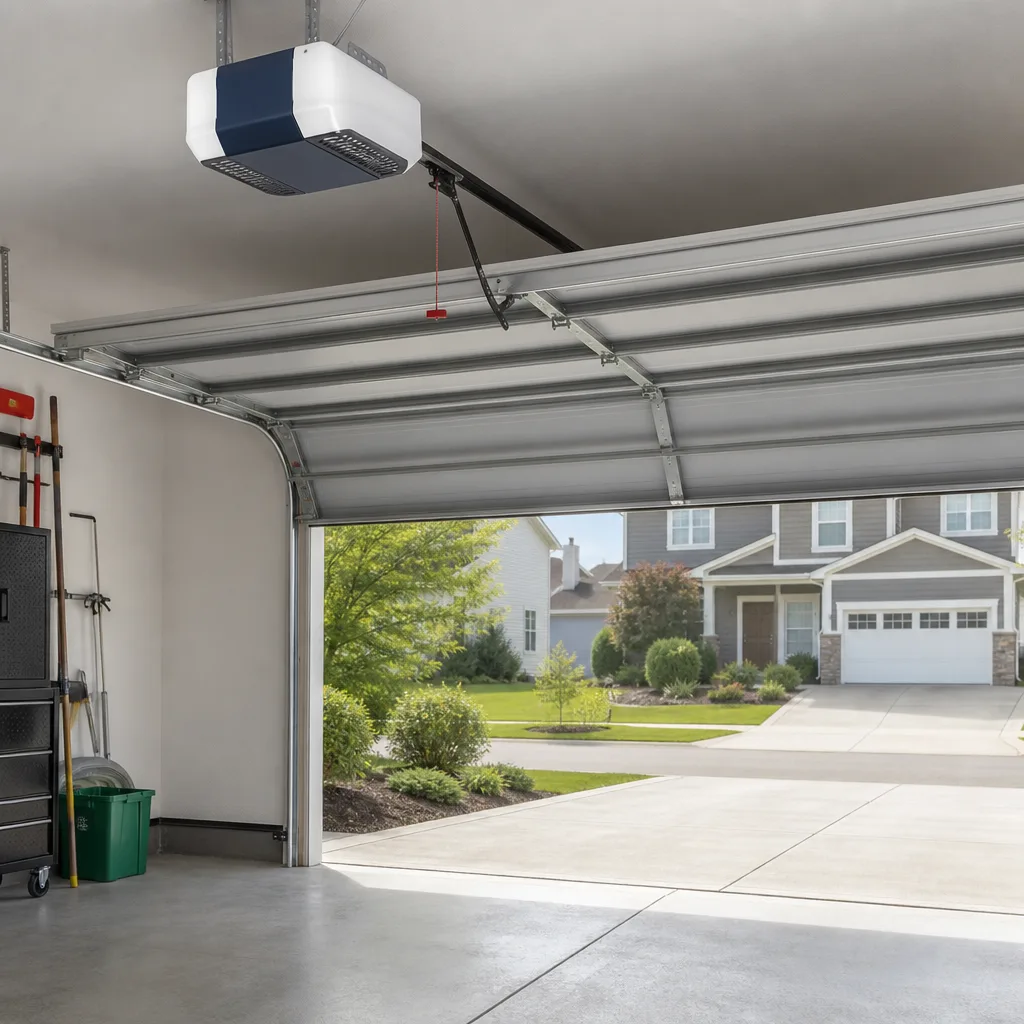
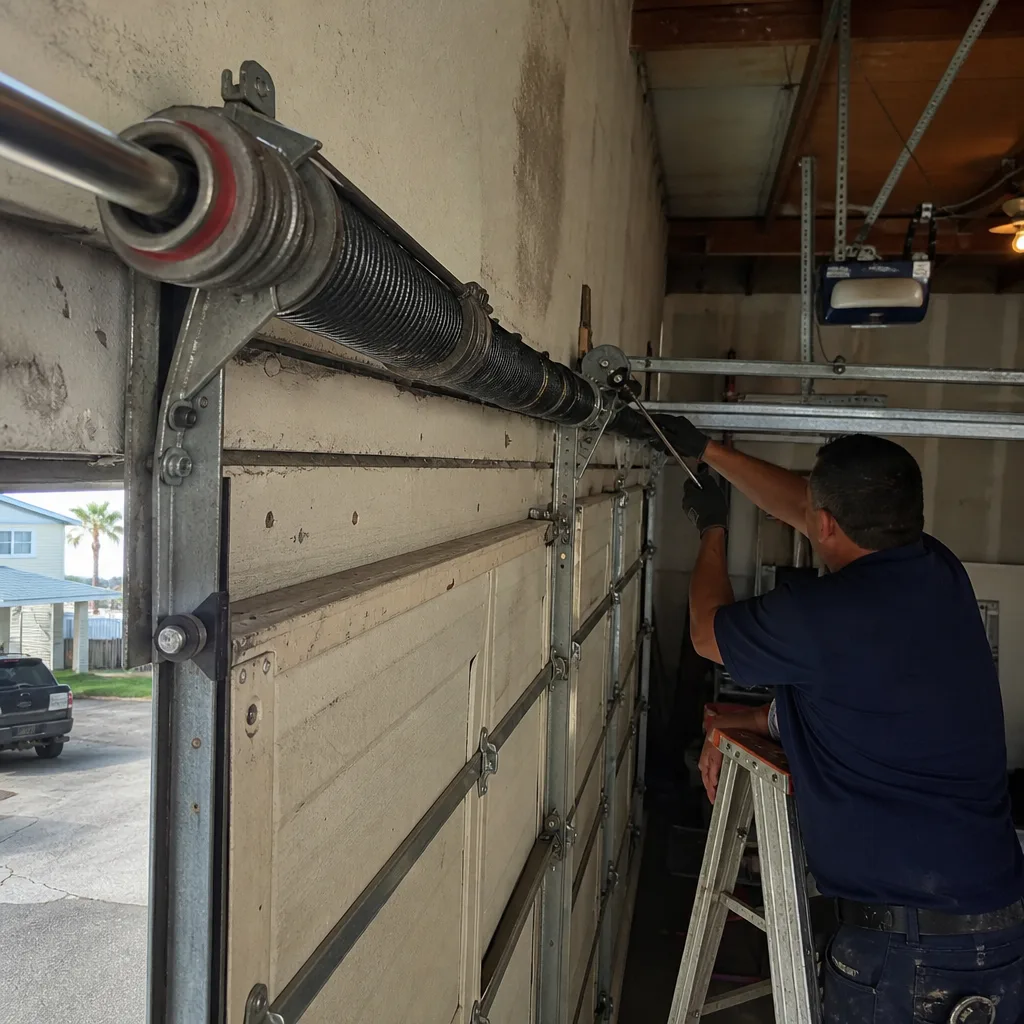 Before
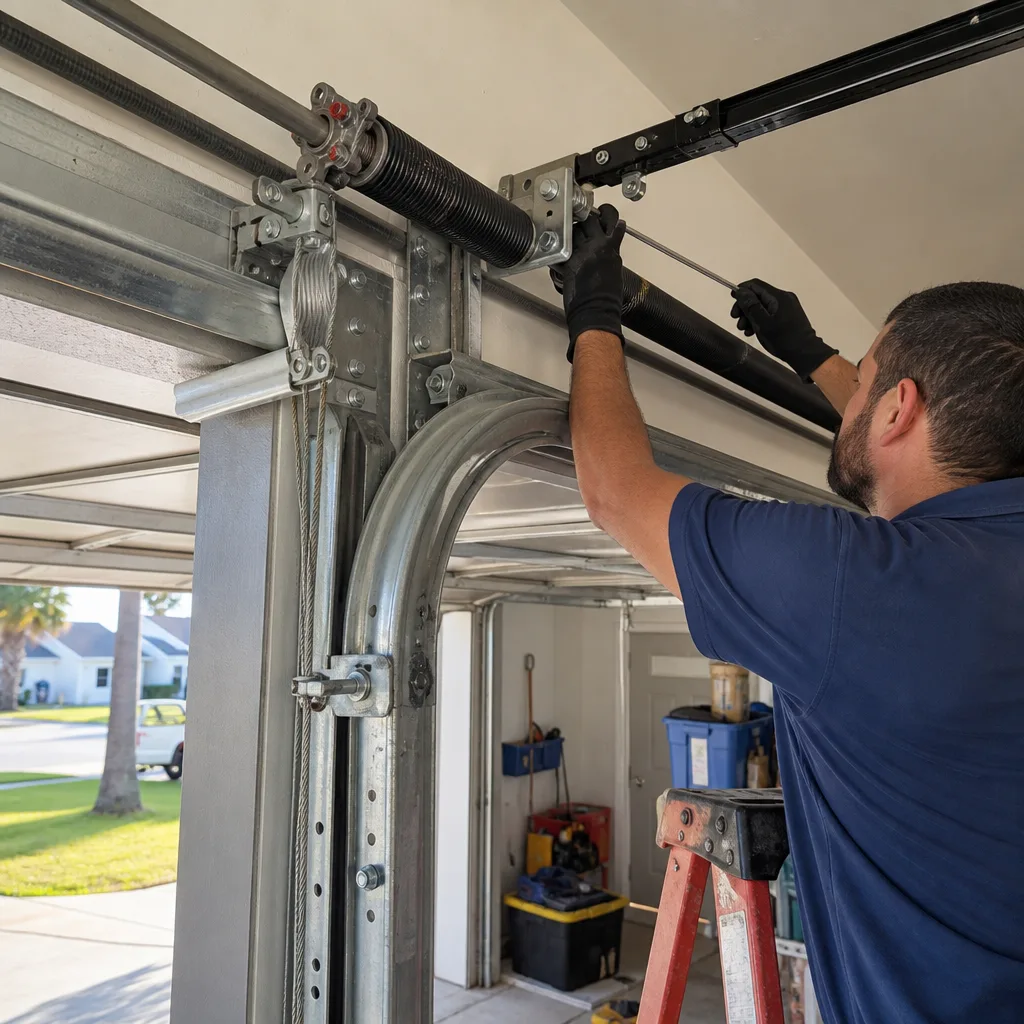 After
After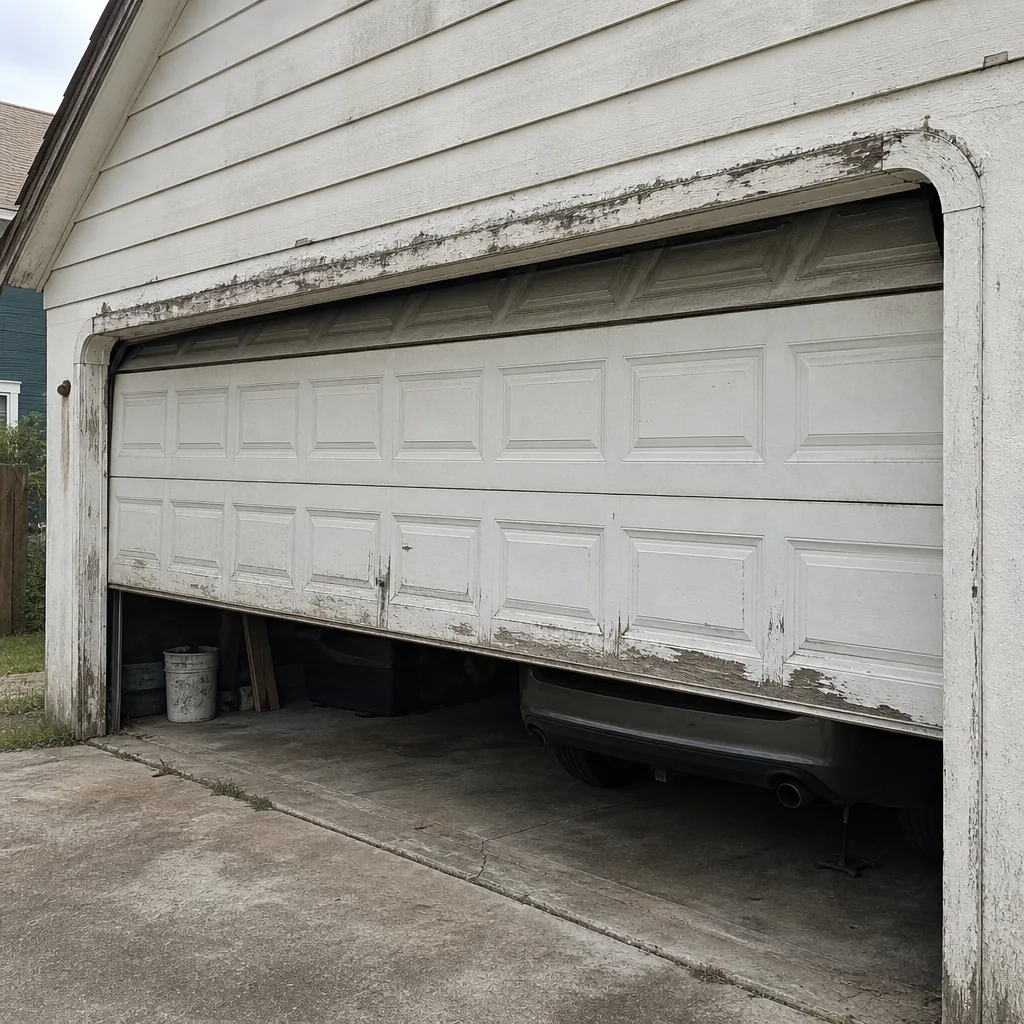 Before
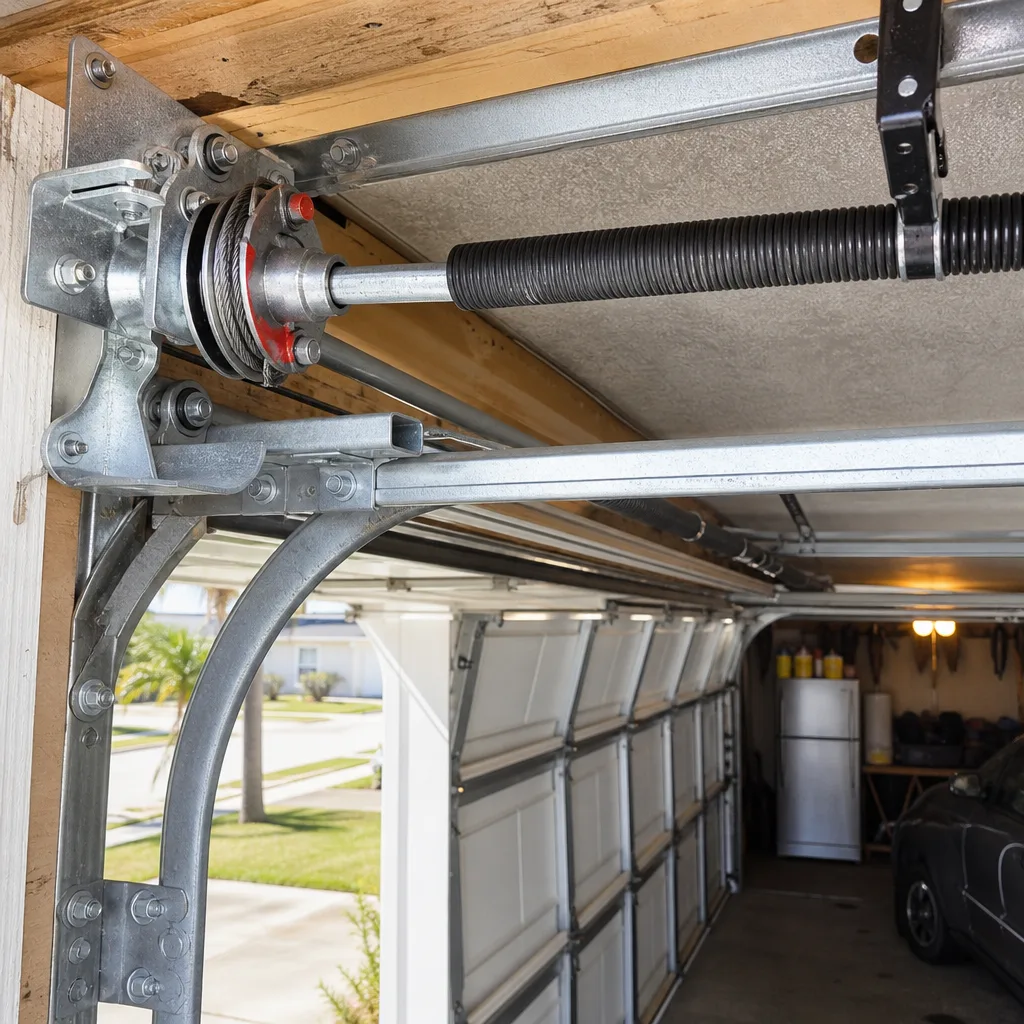 After
After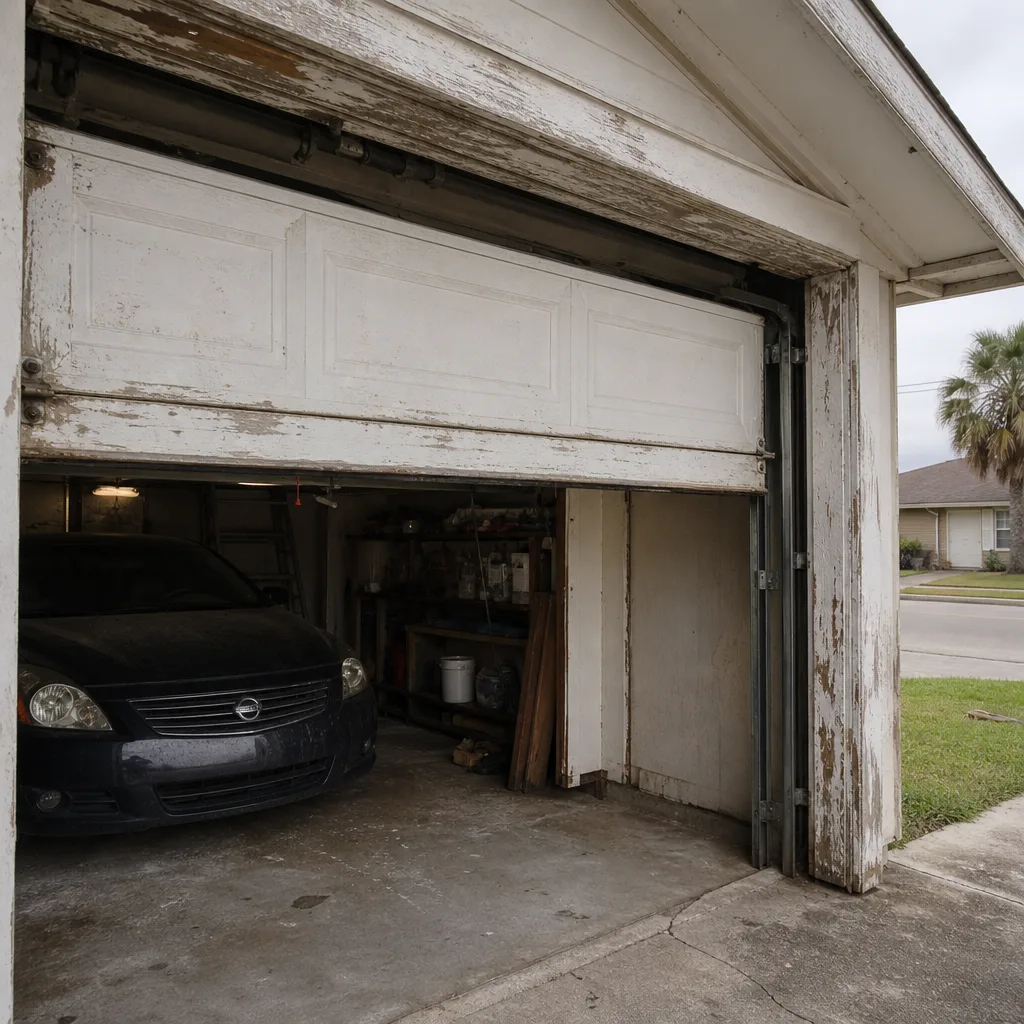 Before
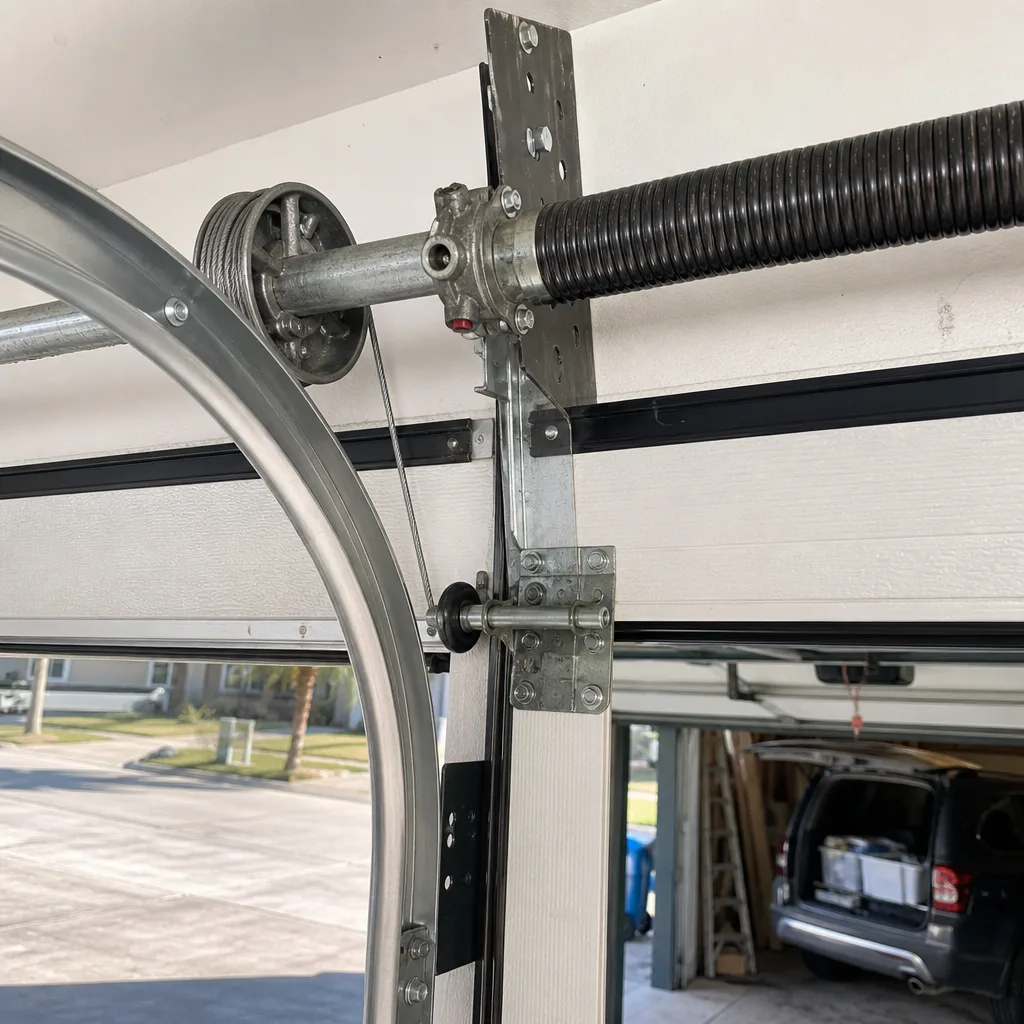 After
AfterThe Complete Guide to Garage Door in Galveston
Galveston’s average relative humidity sits above 75% for most of the year. That single fact changes which hardware, coatings, and spring grades belong on your door and which ones corrode inside 18 months. A garage door on Galveston Island lives a harder life than one anywhere inland in Texas. Salt air, hurricane cycles, and slab-on-grade settling create failure patterns that generic buying guides never address. This guide treats the Island as its own environment with its own rules. You will learn how to select materials that survive our climate, what to inspect after every storm season, how to spot the hidden damage that sandy soil causes, and when a standard residential door is not enough under Texas windstorm law. For garage door permits, codes & inspections in TX: what you need to know, see our dedicated resource.
Quick Answer
A properly selected and maintained garage door in Galveston needs corrosion-resistant hardware, a wind-load rating that meets Texas Windstorm Insurance Association requirements, and annual inspection for salt-air damage to springs, cables, and bottom seals. Most Galveston homeowners replace standard-grade components with marine-rated alternatives within five to seven years, or sooner if the door faces prevailing Gulf winds directly.
Table of Contents
- How Salt Air Destroys Garage Door Components Faster on the Island
- The Post-Hurricane Inspection Checklist Every Galveston Homeowner Needs
- Slab Settling on Sandy Soil and What It Does to Door Alignment
- Wind-Load Ratings and TWIA Requirements in Galveston County
- Reading Cycle Ratings Against Real Galveston Usage Patterns
- Choosing Materials and Coatings for Coastal Survival
- A Maintenance Schedule That Matches Our Climate
- When Repair Ends and Replacement Begins
How Salt Air Destroys Garage Door Components Faster on the Island
Salt air is not just moisture. It is moisture carrying chloride ions that accelerate electrochemical corrosion by a factor of five to ten compared to inland humidity. In Galveston, this process starts the moment a door is installed and never stops.
We have opened torsion spring assemblies in the West End that looked like they had been underwater. The springs themselves, typically oil-tempered steel rated for 10,000 cycles in standard conditions, develop pitting corrosion that creates stress risers. A spring that should last eight to twelve years fails in four. In the East End historic districts, where many carriage houses sit within a block of the seawall, we see this accelerated timeline even on doors installed with “standard” galvanized hardware.
The damage progresses in a predictable order:
- Bottom seals and weatherstripping. Rubber compounds harden and crack first, often within eighteen months. Once the seal fails, salt spray enters the track system directly.
- Track brackets and fasteners. Zinc plating rated for interior use disappears in two to three years. We have found track brackets in Pirates Beach reduced to flakes while the door itself still operated.
- Cable drums and bearings. These rotate under load. Corrosion plus rotation equals galling, then binding, then sudden cable slip.
- Torsion springs. The final failure. By the time a spring breaks, the other components are usually compromised as well.
The solution is not to buy a more expensive standard door. It is to specify marine-grade hardware from the start. Galvanized springs with a G90 coating rather than G60. Stainless steel cable drums where budget allows. Nylon rollers with sealed bearings rather than exposed steel ball bearings. And critically, a bottom seal compound formulated for UV and salt resistance, not just temperature range.
In our experience, homeowners in Jamaica Beach and Spanish Grant who upgrade to marine-grade hardware during their first repair cycle typically add four to six years of service life to the entire system. Those who replace like-for-like with standard components are usually calling again within three years.
The Post-Hurricane Inspection Checklist Every Galveston Homeowner Needs
Hurricane force winds do not just damage what you can see. They rack the door frame microscopically, misalign tracks by fractions of an inch, and fray cables through vibration and impact loading. After Hurricane Nicholas in 2021, we inspected doors in Laffite’s Cove that looked straight to casual observation but had track spacing shifted by 3/8 inch. The owners had been operating them for weeks, grinding rollers against bent track sections every cycle.
A proper post-storm inspection checks what the eye misses. Here is the sequence we follow:
- Check door balance with the opener disconnected. Lift manually to waist height. A balanced door stays put. If it drifts up or drops, spring tension has changed or the door has twisted on its hardware.
- Inspect track mounting brackets for pulled or elongated bolt holes. Wind pressure flexes the header and jambs. Brackets that were tight now have oval holes. This is invisible until the track shifts enough to bind.
- Run a level along both vertical tracks. They must be plumb within 1/4 inch over the full height. In the sandier soils of Pointe San Luis, we find track lean after storms more often than in the clay-heavy areas near downtown.
- Examine cables for fraying, kinking, or bird-caging. Even if the cable has not broken, damaged strands redistribute load unevenly. A 7×19 cable with visible fraying has already lost significant strength.
- Test the automatic reverse and photo-eye alignment. Vibration knocks photo eyes out of alignment. Debris blocks them. Either condition disables a critical safety feature.
- Listen for new noises. Grinding, popping, or rhythmic clicking that was not present before the storm indicates mechanical damage that visual inspection missed.
One detail specific to Galveston: surge damage to openers. Lightning and utility switching during storm recovery fry circuit boards. We have replaced more LiftMaster and Chamberlain logic boards in the month after a hurricane than in the entire preceding year. If your opener behaves erratically after a storm, unplug it and test the door manually before assuming the mechanism is at fault.
Garage Door Repair in Galveston covers storm damage assessment in detail, including what your homeowner’s policy may cover and what documentation to gather.
Slab Settling on Sandy Soil and What It Does to Door Alignment
Galveston sits on a barrier island composed of sand, shell hash, and organic deposits. This substrate compacts, shifts, and responds to water table changes in ways that clay soils do not. A concrete slab poured on this material moves. Not dramatically, not always visibly, but enough to throw a garage door out of plumb over time.
The symptoms are specific. The door closes fully on one side and leaves a gap on the other. Rollers wear more on the low-side track. Hinges bind in summer when soil moisture drops and the slab tilts slightly. In extreme cases, the door panel itself twists, creating diagonal stress cracks in steel or delamination in wood composites.
We see this pattern most in:
- West End subdivisions built on filled marsh, where slab movement of 1/2 inch in five years is common
- Older homes near the Strand with original pier-and-beam foundations that have been partially slabbed over, creating differential settlement
- Properties in Bayou Vista where seasonal water table fluctuation exceeds four feet
The repair is not always foundation work. Often, we can compensate through track adjustment, shimmed mounting brackets, or in persistent cases, a flexible bottom seal that accommodates the gap variation. But the diagnosis matters. A technician who treats a settling symptom as a track problem will adjust the track, watch it drift again in six months, and charge twice.
Carl Dutton has tracked settlement patterns across Galveston Island since 2016. Our records show that doors on the bay side of the Island settle differently than those on the Gulf side, likely due to soil composition variation and prevailing moisture exposure. This is the kind of local pattern recognition that informs our initial assessment and prevents misdiagnosis.
Wind-Load Ratings and TWIA Requirements in Galveston County
Texas Windstorm Insurance Association, or TWIA, sets the wind-load standards for structures in designated catastrophe areas. Galveston County is one of them. If you carry a TWIA policy, your garage door must meet specific engineering standards or your coverage may be compromised. Our garage door cost breakdown: the Galveston homeowner’s reference for 2026 details how compliance affects your budget.
Here is what this means in practical terms. A standard residential garage door is rated for interior wind pressures, typically 20 psf (pounds per square foot). A TWIA-compliant wind-load-rated door for Galveston must withstand 120 to 150 mph three-second gust speeds, which translates to significantly higher pressure ratings depending on door size, exposure category, and building height.
| Door Application | Minimum Wind Speed Rating | Typical Pressure Rating |
|---|---|---|
| Standard residential (non-TWIA) | 90 mph | 15-20 psf |
| TWIA Zone A (Galveston Island, inland 1 mile) | 130 mph | 30-45 psf |
| TWIA Zone B (Galveston Island waterfront, Bolivar Peninsula) | 150 mph | 45-60 psf |
| TWIA Zone C (specific high-risk mapping) | 150+ mph | 60+ psf, engineered per site |
The door itself is only part of the system. Wind-load rating requires reinforced tracks, heavy-duty brackets, and specific fastening patterns into the structural framing. A door slab with a wind-load label installed with standard hardware on a weak header fails as completely as an unrated door.
We have inspected homes in Sea Isle where owners purchased “hurricane-rated” doors from big-box retailers, only to discover that the rating applied to the panel only, not the installed assembly. TWIA requires the complete system to meet standard WFCM (Wood Frame Construction Manual) or engineered specifications. We document this on every Garage Door Installation in Galveston we perform, providing the certification paperwork that your insurance underwriter may request.
If you are unsure whether your existing door meets TWIA requirements, check for a permanent label on the door interior edge or track system. No label means no verified rating. We provide free assessments of existing door compliance, including documentation of what would be required to bring a non-compliant installation up to standard.
Reading Cycle Ratings Against Real Galveston Usage Patterns
Garage door springs are rated in cycles. One cycle equals one full open and close. Standard residential springs are rated for 10,000 cycles. High-cycle springs offer 25,000, 50,000, or even 100,000 cycles. The math seems simple: divide by daily use, get years of service. But Galveston usage patterns break this calculation.
Consider evacuation behavior. A household that evacuates for Hurricane Laura, returns, evacuates again for Delta, and once more for Nicholas in a single season puts six months of normal cycles on their door in three weeks. The spring does not know these are “exceptional” events. Fatigue accumulates. We see clusters of spring failures in October and November, six to eight weeks after active hurricane seasons, as the cumulative load exceeds the rated cycle count.
Seasonal residents compound this pattern. A home in Pirates Beach occupied November through March sits idle for seven months, then sees concentrated daily use. The spring experiences thermal cycling from our humidity swings, surface corrosion during idle periods, and then mechanical cycling at rates the original specification did not anticipate.
Our recommendation for Galveston:
- Primary residences: Specify 25,000-cycle springs minimum. The incremental cost is modest, typically $80-$140 above standard, and the service life doubles.
- Seasonal or rental properties: 50,000-cycle springs with corrosion-resistant coating. The door may cycle less annually, but the corrosion penalty and concentrated use patterns justify the upgrade.
- Evacuation-prone locations: Consider dual-spring systems or higher-grade oil-tempered wire that tolerates fatigue loading better than standard music wire.
The cycle rating is stamped on the spring cone or tag. If you cannot find it, assume 10,000 cycles and plan accordingly. We record cycle ratings on every job and can tell you exactly where your system stands.
Choosing Materials and Coatings for Coastal Survival
Not all steel is equal for Galveston. Not all wood treatments resist our combination of salt, UV, and humidity. Material selection is where upfront knowledge pays back over the full ownership period.
Steel doors: Look for G60 or G90 galvanized substrate with a baked-on polyester or fluoropolymer topcoat. The galvanizing protects edges and scratches; the topcoat provides the primary barrier. We have had excellent results with Clopay and Amarr coastal-grade doors that specify 25-mil paint film thickness over G90 substrate. Standard 12-mil coatings chalk and fade within three years of Gulf exposure.
Aluminum doors: Naturally corrosion-resistant but structurally softer. Full-view aluminum doors are popular in contemporary Galveston architecture, particularly in the East End and on raised beach houses. Specify 6063-T6 alloy for frame sections, not the softer 6061 found in some import products. The hardware, not the panels, usually fails first on aluminum doors.
Wood and wood-composite doors: Require maintenance that many owners underestimate. Cedar and mahogany hold up well if refinished every two to three years. Factory-applied stains with UV inhibitors and mildewcides extend this interval. We do not recommend standard pine or fir in any exterior Galveston application; the failure rate is near 100% within five years.
Fiberglass doors: The surface gel coat degrades in UV. Once the gel coat crazes, moisture penetrates to the glass mat and delamination begins. They are viable only with consistent maintenance and only in shaded or protected exposures.
Hardware specifics: Stainless steel hinges and rollers where possible. Zinc-aluminum coated track (Galvalume) rather than standard galvanized. Nylon rollers with sealed bearings, as noted earlier. And critically, a vinyl or thermoplastic bottom seal retainer rather than aluminum, which corrodes and seizes the seal in place.
Mainspring Garage Door Co. home maintains specification sheets for all major brands, including which product lines carry coastal warranties and which do not. Raynor and Wayne Dalton both offer coastal-grade product lines with enhanced hardware packages that we specify routinely for Island installations.
A Maintenance Schedule That Matches Our Climate
A generic annual maintenance schedule is insufficient for Galveston. Our climate demands more frequent attention to specific components, while other items need less.
Every three months:
- Visual inspection of bottom seal integrity and track drainage. Salt spray and sand accumulate in track bottoms. Flush with fresh water if buildup is present.
- Photo-eye cleaning. Humidity attracts dust that films the lenses. A soft cloth and mild detergent restore sensitivity.
- Lubrication of hinges and rollers with a silicone-based product, not WD-40 or heavy grease. Silicone displaces moisture without attracting sand.
Every six months:
- Torsion spring inspection for corrosion pitting. Early pitting can be treated with corrosion inhibitor; advanced pitting requires replacement planning.
- Cable tension and condition check. Look for broken strands, corrosion staining, or changes in lay geometry.
- Opener force and limit settings. Humidity affects door weight as seals absorb moisture; settings drift.
Annually:
- Full balance test with opener disconnected.
- Track plumb and parallelism check with a level.
- Weatherstripping replacement if hardened or cracked.
- Professional inspection of spring assembly, cable drums, and bearing plates.
After every named storm or evacuation:
- The full post-hurricane checklist described earlier, regardless of visible damage.
Our $89 Seasonal Tune-Up covers the annual inspection items with full documentation. For properties in direct Gulf exposure, we offer a quarterly service plan that spreads cost and catches corrosion early. The 5% senior and veteran discount applies to all maintenance agreements.
When Repair Ends and Replacement Begins
There is no universal rule, but there are clear signals. We evaluate three factors: safety margin, cumulative cost, and functional adequacy. For help weighing these factors, see our DIY vs professional garage door: the Galveston homeowner’s decision guide.
Safety margin: A door with corroded springs, frayed cables, and a bent track has no redundancy. Any single additional failure could cause uncontrolled drop. We will not repair a door to a condition we would not operate ourselves. This is non-negotiable.
Cumulative cost: When repairs in a rolling thirty-six months exceed 60% of replacement cost, replacement is the better value. This threshold accounts for the fact that corroded systems continue to degrade; each repair is a down payment on the next.
Functional adequacy: A door that is not wind-load-rated in a TWIA zone, that cannot be automated reliably, or that compromises home security through structural deterioration, has reached end of functional life regardless of mechanical condition.
We provide written estimates for both repair and replacement when the decision is close. Our Free Second Opinion policy means you can bring us another company’s estimate and we will evaluate it without charge. No pressure, no obligation. A square deal means giving you the information to decide rightly for your situation.
Garage Door Opener in Galveston addresses the specific considerations for opener replacement and upgrade, including smart-home compatibility and battery backup requirements.
Common Mistakes to Avoid
- Buying on price alone for coastal hardware. The cheapest spring or roller in Houston is not the right specification for Galveston. We have replaced “bargain” components installed by inland contractors within eighteen months of installation.
- Ignoring the bottom seal until water enters. A failed seal is not just an energy issue. It is the entry point for salt spray that destroys everything above it. Inspect quarterly, replace proactively.
- Assuming a post-storm door that “still works” is undamaged. Micro-racking and track misalignment progress silently. The damage reveals itself when a roller jumps track or a cable snaps under load.
- Installing a standard door in a TWIA zone without wind-load verification. This voids insurance coverage and creates liability exposure. The certification paperwork matters as much as the door itself.
- DIY spring replacement. Torsion springs store lethal energy. We have responded to emergency calls where well-meaning homeowners sustained serious injury. This is not a cost-saving opportunity; it is a hazard that warrants professional handling.
- Neglecting opener battery backup. Galveston power outages are frequent and sometimes prolonged. A door that cannot open without power traps vehicles when evacuation is necessary. Battery backup is not a convenience feature here.
- Matching cycle rating to inland usage assumptions. Evacuation cycles, seasonal concentration, and corrosion fatigue all accelerate wear. Specify higher cycle counts than generic calculators suggest.
When to Call a Professional
Call when the door makes a new noise, moves unevenly, reverses unexpectedly, or fails to open. Call after any storm with sustained winds over 60 mph. Call if you cannot verify your door’s wind-load rating. Call if springs, cables, or tracks show corrosion, fraying, or deformation.
Specifically, call before attempting any repair involving the spring system, cable tension, or opener force settings. These adjustments affect stored energy and safety-critical functions. A journeyman technician has the training, the tools, and the judgment to assess whether adjustment, repair, or replacement is appropriate.
Mainspring Garage Door Co. offers free estimates in Galveston. Carl Dutton or a member of our team will inspect your door, explain what we find, and provide a flat price before any work begins. Call (409) 498-6056. Phones are answered by a live person, including nights, weekends, and holidays. Browse our more guides & resources for additional homeowner information.
Frequently Asked Questions
A properly specified and maintained garage door in Galveston lasts 15 to 20 years for the slab, 5 to 7 years for standard hardware, and 8 to 12 years for marine-grade hardware. Salt-air exposure reduces these timelines by 30 to 40 percent compared to inland Texas. Upgrading to corrosion-resistant components during initial installation or first repair typically restores inland-equivalent longevity. Call (409) 498-6056 for an assessment of your current door’s remaining service life.
Most common repairs in Galveston range from $180 for a cable replacement to $340 for a standard torsion spring replacement. Full hardware upgrades with marine-grade components run $450 to $750. Wind-load-rated door installations start around $1,800 for a single door and $2,800 for a double, including TWIA-compliant hardware and certification. We state the flat price before any work begins. Our $50 Off Any Repair Over $250 applies automatically. Call (409) 498-6056 for a free, exact quote.
If your home is insured through TWIA or located within the designated catastrophe area, yes. Galveston Island and the Bolivar Peninsula fall under mandatory wind-load requirements. Even outside TWIA coverage, a wind-load-rated door provides meaningful protection and may reduce standard homeowner’s premiums. We verify compliance and provide certification on every installation. Call (409) 498-6056 to check your current door’s status.
Wind pressure racks the door frame and shifts track mounting. Sandy soil in Galveston allows more slab movement than clay substrates, so the effect compounds. The gap indicates plumb loss, not just seal failure. Continuing to operate the door grinds rollers and wears hinges prematurely. We correct this through track realignment, bracket shimming, or in persistent cases, foundation-adaptive hardware. Call (409) 498-6056 for inspection.
Homeowners can safely lubricate hinges, rollers, and the opener rail with a silicone-based product every three months. Do not lubricate the track itself; this attracts grit. Never attempt to lubricate, adjust, or inspect torsion springs or cable drums. These components store lethal energy and require specialized tools and training. Our $89 Seasonal Tune-Up covers professional lubrication and safety inspection if you prefer not to handle it yourself.
We are factory-familiar with all major brands: LiftMaster, Chamberlain, Genie, Clopay, Amarr, Wayne Dalton, Craftsman, and Raynor. This means we carry common parts for these brands on our trucks, understand their specific failure modes in coastal conditions, and can service them under our 90-Day Done Right Promise. We do not limit service to brands we sell. Call (409) 498-6056 regardless of your door’s manufacturer.
The Bottom Line
A garage door in Galveston is not an inland door with ocean views. It is a specialized system operating in a hostile environment that demands corrosion-resistant materials, wind-load engineering, and maintenance tuned to salt air and hurricane exposure. The right specification upfront costs more than the cheapest option but returns its value through extended service life, insurance compliance, and reliable operation when evacuation depends on it. The wrong specification corrodes, fails prematurely, and eventually requires complete replacement. We have seen both outcomes across every neighborhood on the Island. The difference is knowledge applied at the right moment, usually the first repair or the first replacement decision.
Written by Carl Dutton, Owner at Mainspring Garage Door Co., serving Galveston since 2016.